

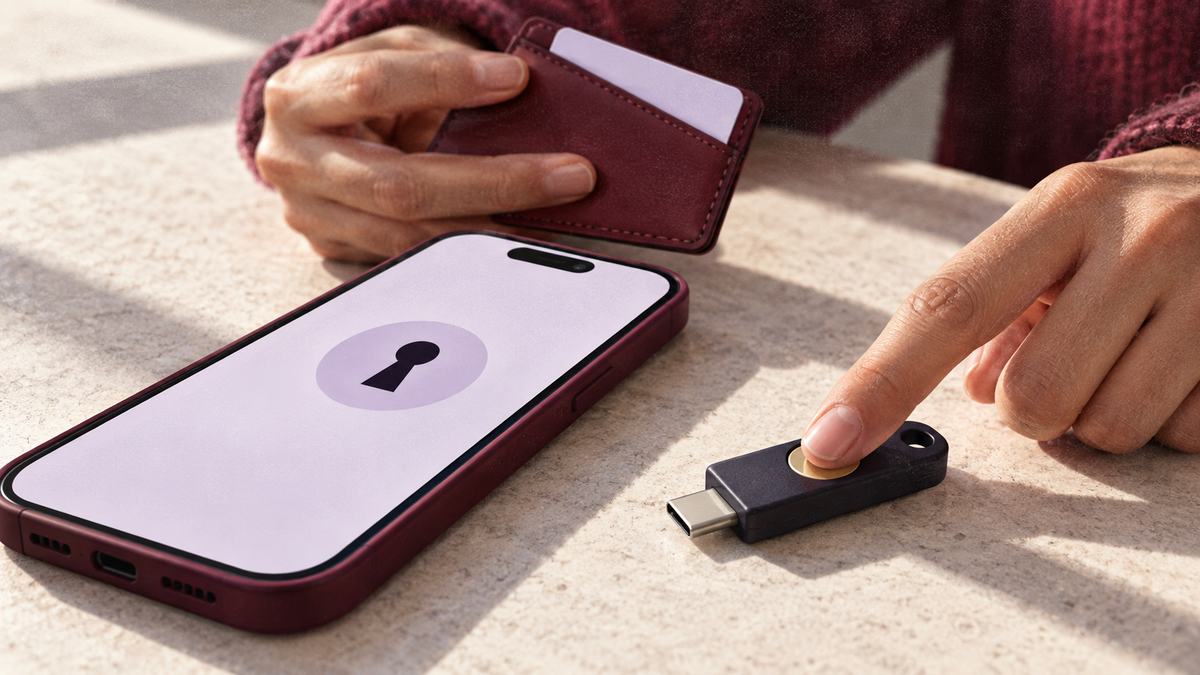
An assistant can find the right page and still stop at the login screen. Giving it a password is one way past that obstacle, but it also puts a reusable secret into another system. 1Password’s July 16 integration with Claude proposes a different arrangement: the user approves use of a credential, while 1Password handles the secret outside the model’s context.
In its launch explanation, 1Password says it injects credentials into the page after the user approves the request biometrically. The company describes support for passwords, one-time codes and social logins, with access scoped to the current task.
Using a secret does not require reading it
The distinction is straightforward. An assistant needs an authenticated session to perform a task; it does not necessarily need the characters that make up the password. Keeping those characters out of the model’s context reduces one form of exposure.
1Password says the user is shown which credential is requested and why. It also describes checks after autofill and clearing filled values if submission fails. These are claims about the integration’s design, not the results of an independent security audit by ASYA.
The launch includes Agentic Mode in the browser extension. When a compatible agent takes control, the extension restricts its interface and limits access to credentials approved for the task. The intended boundary is between a specific authorized login and the rest of the vault.
An authenticated session still has power
Keeping the password hidden does not make every action after login appropriate. An account may allow purchases, changes to personal details or access to sensitive records. The assistant can encounter those capabilities even if it never sees the credential.
That leaves an important product question: what exactly did the user ask the agent to do? Permission to open an account for a summary should not be treated as permission to change its settings. A purchase deserves a clear approval of the final item and amount.
The safest workflow therefore needs more than a protected login. It needs understandable task boundaries and a chance to inspect consequential actions. The credential mechanism addresses access to a secret; the application still has to govern what happens inside the account.
At launch, 1Password says the Claude integration is available for Mac across business, family and individual plans, with the relevant desktop applications and browser extensions required. Our Tech desk sees it as a concrete example of permission design becoming part of everyday agent use.
Reporting & Sources
Based on 1Password’s July 16, 2026 integration announcement. Architecture and exposure protections are attributed to 1Password. This is product analysis, not a security audit or hands-on test.