
Finding a jacket is one task; buying the right size with the correct delivery address is another. Google’s January 11 introduction of Universal Commerce Protocol, or UCP, addresses the handoff between a shopping assistant and a merchant’s systems. It proposes a common way to describe commerce operations so each assistant does not need a completely separate connection to every store.
Google says UCP was co-developed with partners including Shopify, Etsy, Wayfair, Target and Walmart. The announcement connects it to a planned checkout feature in AI Mode in Search and the Gemini app, initially involving eligible US retailers.
A conversation needs a structured order
A shopper can describe preferences in ordinary language. A merchant still needs exact choices: a product variant, a valid shipping option and a final amount. Discounts and stock changes make that process more complicated than passing a product link to a payment form.
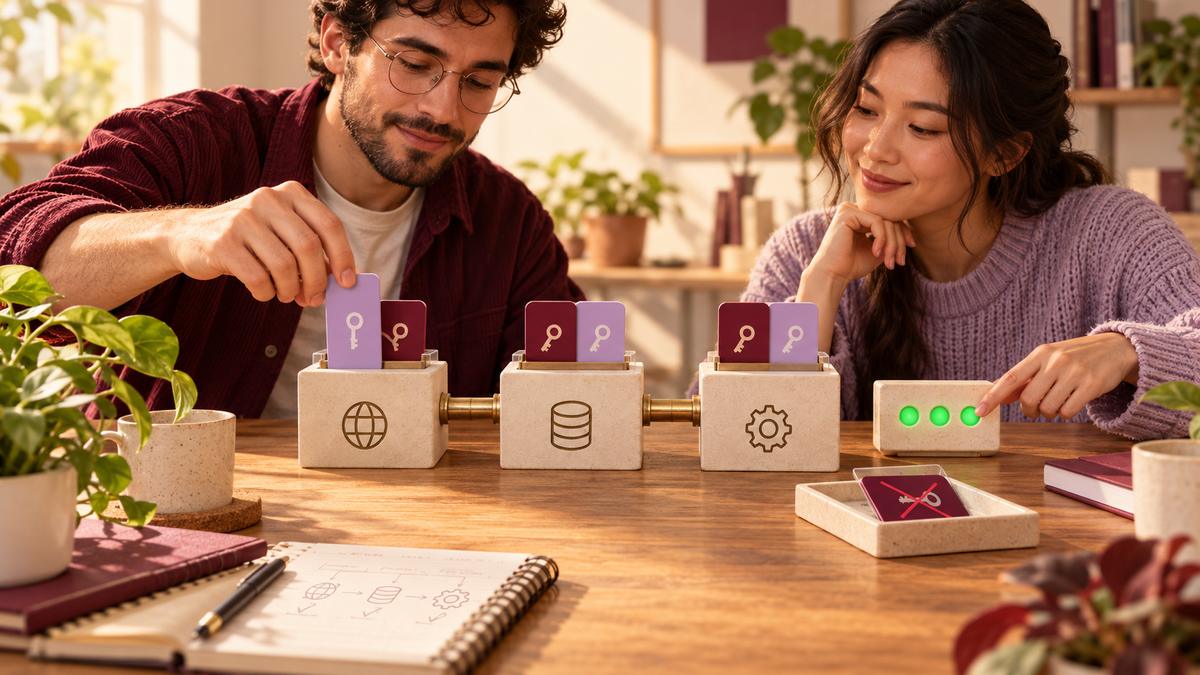
Google’s technical explanation describes discoverable capabilities and extensions that let businesses express the commerce functions they support. The design separates the shared protocol from the particular transport or integration method.
That separation matters when a store already has payment and order-management systems. The goal is to connect those capabilities to another customer-facing surface, rather than make the merchant rebuild the entire business around one assistant. Whether an integration actually reduces work will depend on the merchant’s existing systems and the functions it needs.
The retailer remains responsible for the sale
Google’s launch description says retailers remain the seller of record. A conversational interface does not make the merchant disappear from the transaction. Someone still has to fulfill the order, explain delivery and handle the customer’s follow-up.
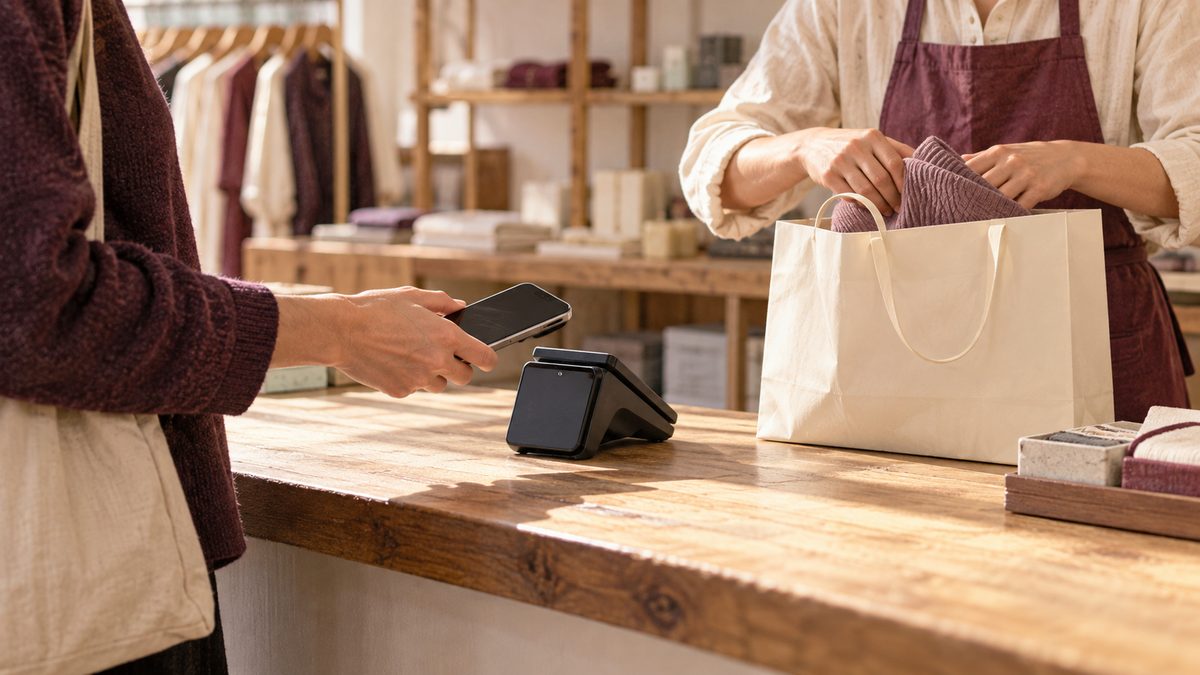
For product teams, the most important screen may be the one just before commitment. The customer should be able to inspect the item, total and delivery terms before authorizing a purchase. A fluent recommendation is not itself permission to spend.
The rollout language also deserves care. Google said UCP would soon power checkout on eligible listings, with Google Pay described for the initial experience and PayPal to follow. That is narrower than claiming every participating brand already offers universal agent checkout worldwide.
UCP is an infrastructure proposal with a practical test: can stores expose reliable purchasing functions while customers retain a clear understanding of what they are buying? Our Fintech desk follows that boundary between a helpful assistant and a financial commitment.
Reporting & Sources
Sources: Google’s January 11 commerce announcement and UCP technical explanation. The discussion of purchase confirmation is ASYA’s product analysis.