

Sending an invoice payment on a Friday evening should no longer automatically mean waiting for the next working week. The October 9 milestone for instant euro payments expands the ability to send money within seconds in the euro area. Alongside speed comes a less glamorous feature with a direct effect on the payment screen: checking who will receive the money.
In its October 10 explanation, the European Commission describes the new sending obligation for euro-area payment service providers and free payee verification. Its summary also makes an important pricing distinction: instant transfers must not cost more than corresponding standard credit transfers. That is a limit on a price difference, not a promise that every bank transfer is free.
The pause before a fast payment
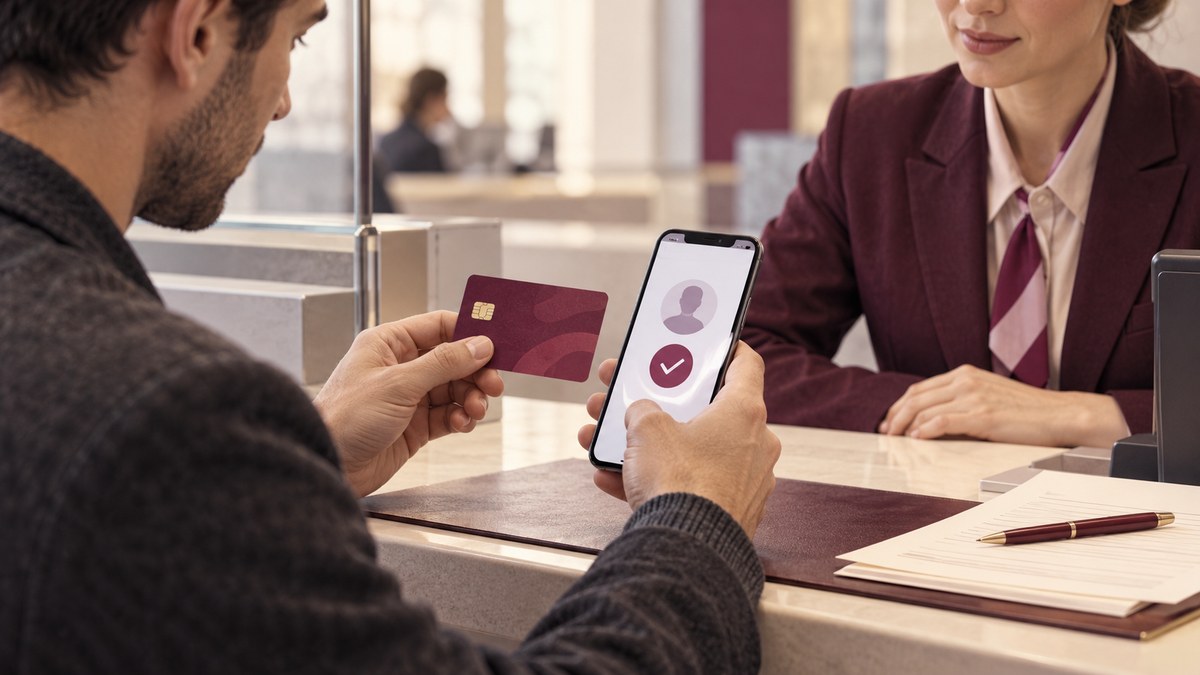
Payee verification compares the recipient name with the account identifier, the IBAN. For someone paying a supplier, this inserts an additional check before authorization. The result needs to be understandable at exactly the moment the customer is deciding whether to proceed.
A banking interface should explain an unsuccessful or uncertain check without burying the customer in technical language. A business might use a trading name on its invoice and a different account name. A convincing-looking invoice might also contain substituted bank details. Those possibilities require investigation, not a decorative green symbol.
A matching name is useful evidence about the destination account. It does not establish that a purchase is worthwhile or that the person asking for payment is trustworthy. Faster settlement makes careful confirmation more important because there is less time between authorization and the recipient receiving funds.
Cash flow needs a matching record
The Commission describes instant euro payments as available around the clock. That changes the practical meaning of a weekend payment for small businesses: receipt of money can happen outside office hours, while staff and accounting routines may still operate on weekday schedules.
Consider a small agency waiting for a client deposit before booking a contractor. An instant transfer can shorten the wait for funds, but somebody still needs to connect the incoming amount with the right invoice. Payment references, notifications and reconciliation determine whether the speed is useful to the business.
The October milestone is specific to the euro-area rollout described by the Commission. It should not be stretched into a claim that every transfer in every currency now works this way. Our Fintech coverage looks at that gap between a payment becoming technically available and becoming easy to use correctly.
Reporting & Sources
The factual basis is the European Commission’s October 10, 2025 explanation of the instant payment changes. Interface and reconciliation observations are product analysis, not legal advice.