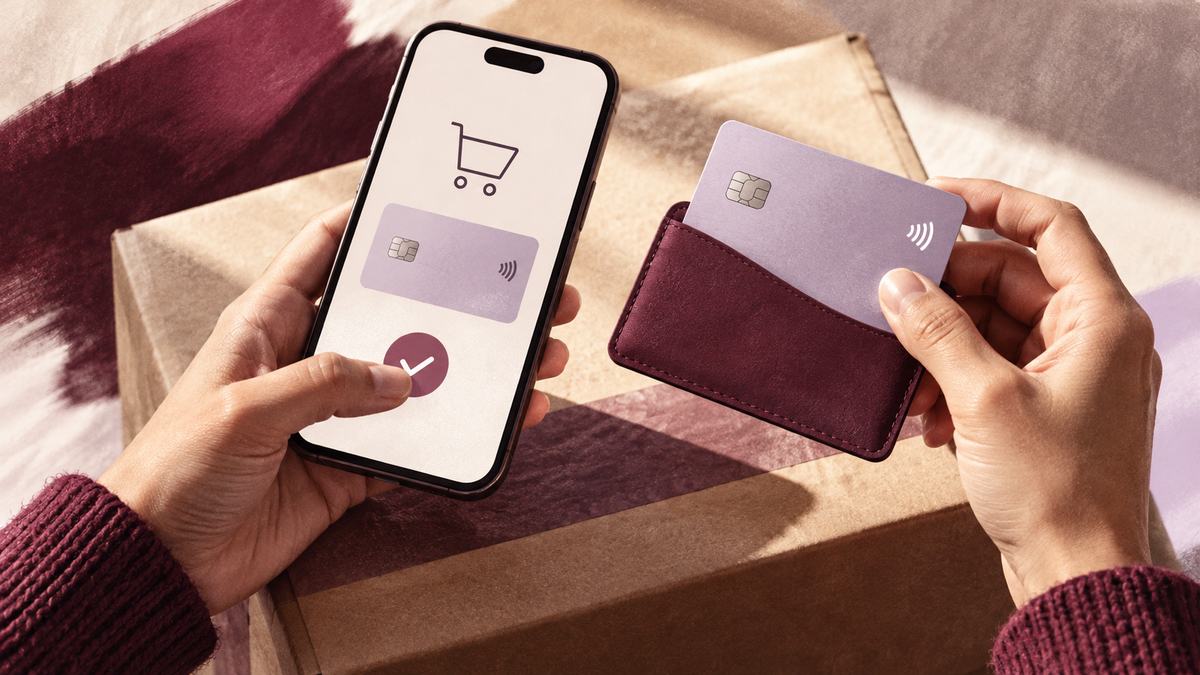
Typing a long card number into a phone is a small task that can make an online purchase feel unnecessarily fragile. Visa and Revolut’s June 16 Click to Pay announcement aims to remove more of that repeated entry for eligible Revolut Visa cardholders. The service still depends on the card’s eligibility and a merchant checkout that supports it.
Visa’s announcement describes card-level enrollment across Europe and the UK, alongside other markets. It positions Click to Pay as a way to make stored payment credentials available at participating online checkouts without asking the shopper to re-enter card details each time.
Less typing changes one part of the journey
Click to Pay is useful at the point where a shopper has already chosen what to buy and needs to identify the payment method. It does not by itself fix an unclear delivery charge or a confusing return policy.
That narrower scope is still meaningful. A person buying on a small screen may be interrupted or may not have a physical card nearby. Removing repeated entry can reduce the number of opportunities to make a mistake or abandon the task.
Enrollment and checkout availability are separate pieces of the system. A card can be eligible for the service while a particular merchant does not present Click to Pay. The announcement should therefore not be interpreted as a change to every online store a Revolut customer visits.
Tokenization is the less visible change
Visa describes tokenization as part of the security model, using a payment token in place of the underlying card number. It also highlights passkey support. These mechanisms can change how a payment credential is handled and how a shopper authenticates.
They do not mean authentication disappears in every situation. The precise experience depends on the transaction and the systems involved. A cleaner interface should still leave the shopper with a clear understanding of the card being used and the purchase being authorized.
Visa’s announcement includes performance figures drawn from its own data. Those figures are not a prediction for an individual store, so we are not treating them as a guaranteed conversion increase or a fixed reduction in fraud.
For merchants, the useful evaluation would compare their actual checkout experience before and after enabling the relevant service. For shoppers, the test is simpler: does the payment method appear when expected, and is the final confirmation understandable? Our Fintech coverage follows those details because payment convenience is experienced one checkout at a time.
Reporting & Sources
Based on Visa’s June 16, 2026 Revolut Click to Pay announcement. Security and experience benefits are provider claims; the merchant evaluation questions are analysis.