A focused device asks a useful question: what if a piece of hardware made one activity more legible instead of adding every adjacent capability? For someone who reads, annotates or writes, that can be an appealing proposition. It still needs to fit the rest of their work.
Why it matters: Deliberate limits can support a clear experience, but a quieter product is not automatically a more productive one.
The product promise is specific
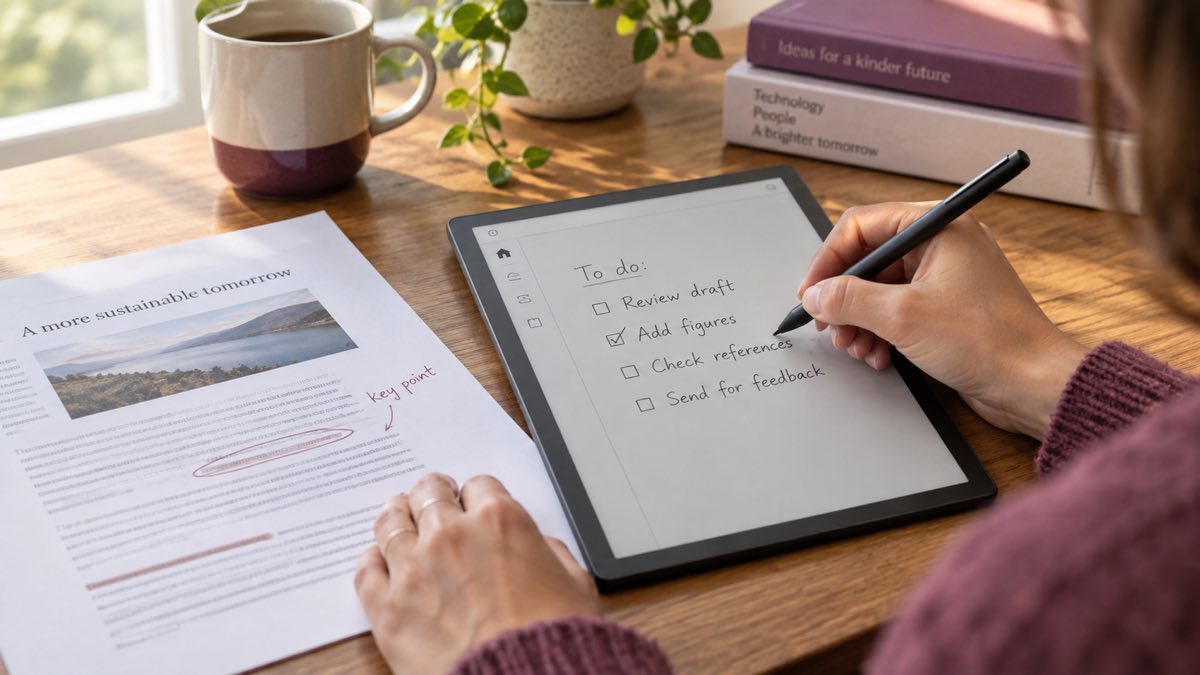
reMarkable presents its Paper Pro as a paper-oriented device for writing and document work, with a colour display and pen input. Its product page emphasizes the writing surface, annotation and the relationship between paper-like interaction and digital documents.
Those are the manufacturer’s descriptions. We have not independently tested the device’s writing feel, responsiveness or effect on concentration.
The useful design observation is the narrowness of the proposition. Rather than asking a device to compete on the number of activities it can host, the product invites a judgment about a particular kind of work.
The handoff can matter more than the hardware
Imagine a researcher who annotates a document away from their main computer. The task is not complete when the note is written. They may need to find it later, connect it to a source and share the conclusion.
Before choosing a focused device, inspect how the intended files enter and leave it. Check the formats, accounts and services the actual workflow requires. A pleasant writing surface can coexist with an awkward handoff.
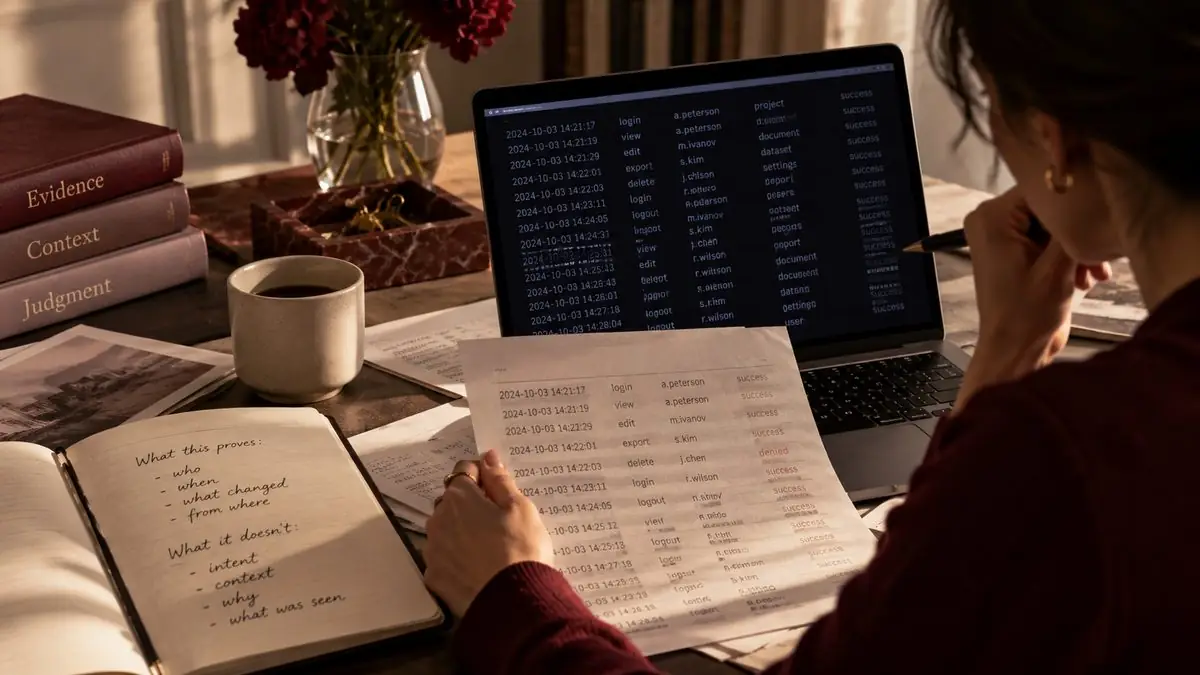
The New Research Desk Runs on Software, Not Spreadsheets follows the same problem from the research-library side: notes become useful when someone can reconnect them to evidence.
Quiet is a design choice, not a measured trend here
The headline describes an editorial interest in restrained hardware. One product example does not establish a market-wide shift, and a limited feature set does not prove improved cognition.
A useful personal trial would compare a real task, including retrieval and sharing, against the tools already available. Note the friction removed and the work added elsewhere.
The most interesting question is not whether a device feels less like a computer. It is whether its particular constraints make the intended activity easier to finish. Sometimes the answer will be a specialist device. Sometimes it will be a better arrangement of the hardware already on the desk.
Reporting & Sources
Design commentary, reviewed September 26, 2026. No buying recommendation or current price comparison is provided.